About
The past inside, the present outside, the future waiting to be opened.
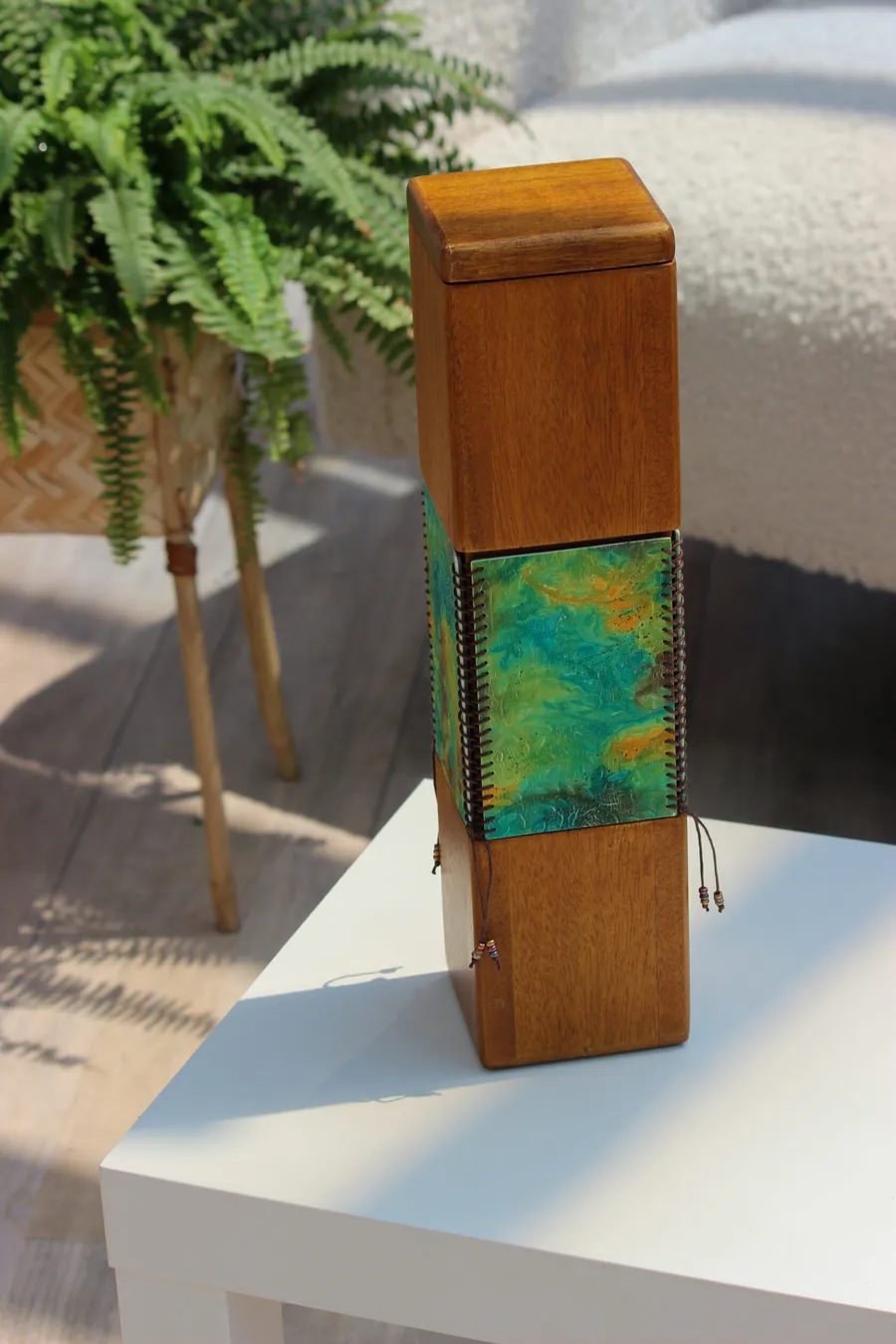
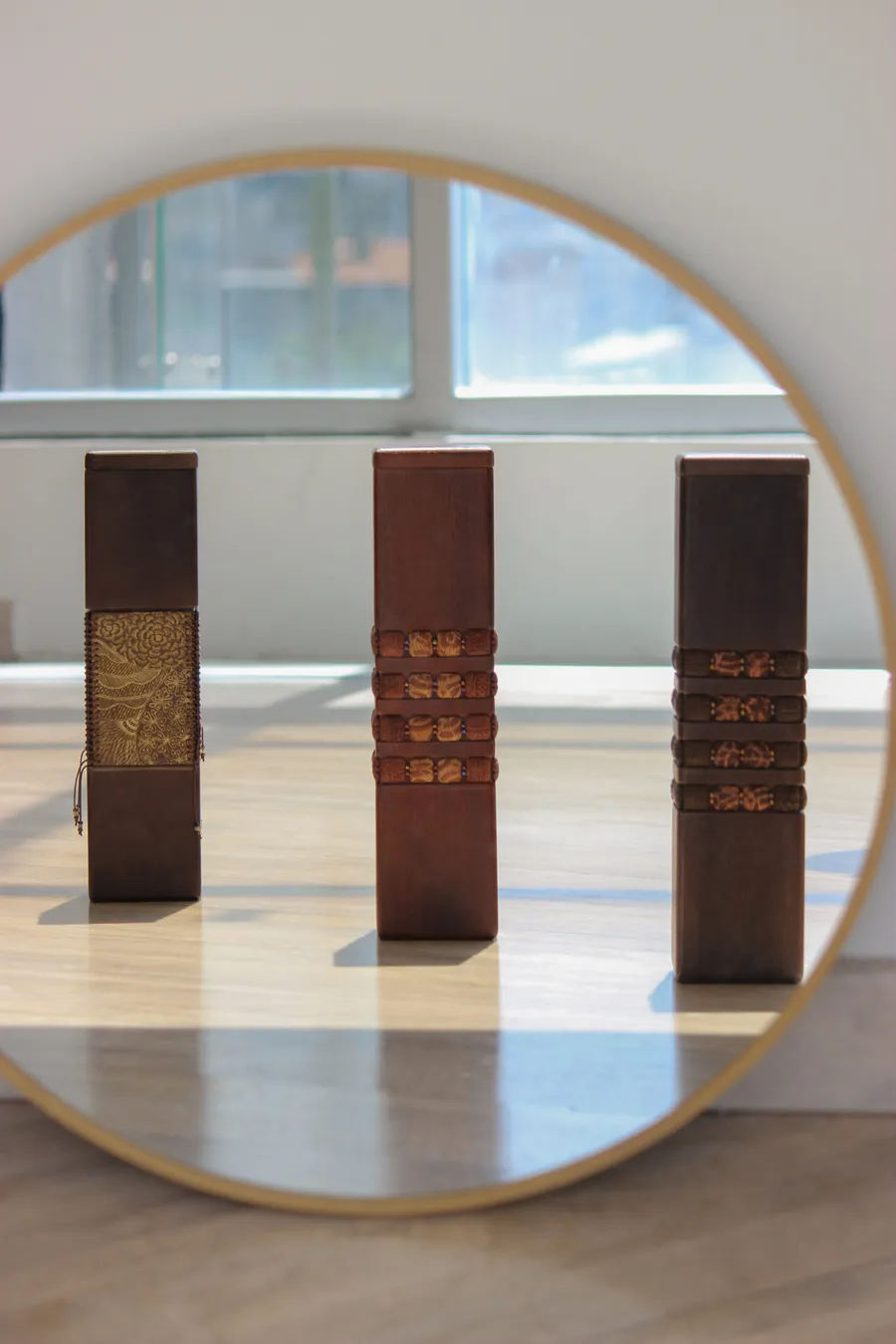
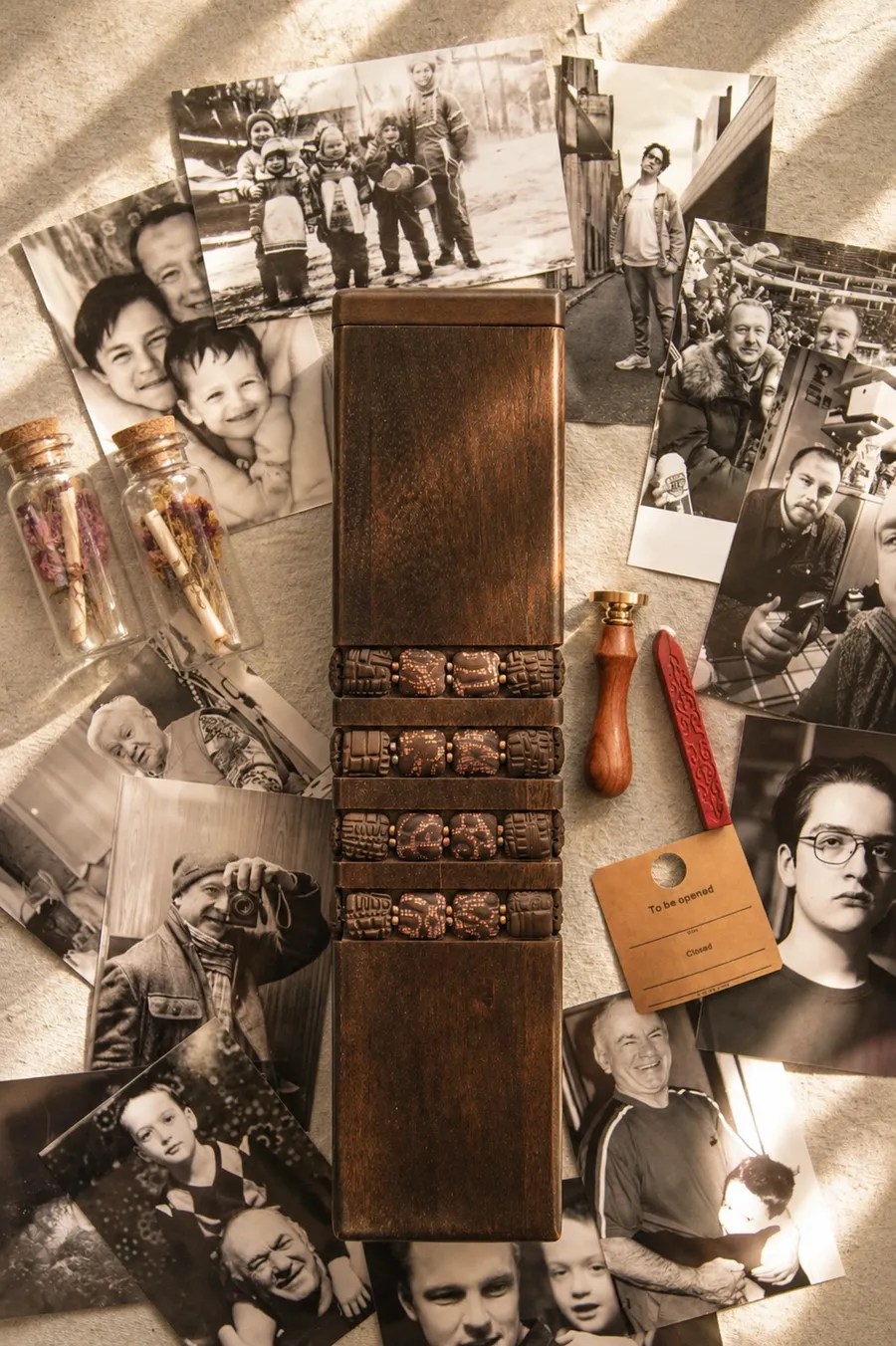
Memora makes designer time capsules — handcrafted objects that hold memory: letters, photographs, things, moments of a life, sealed today to be opened on an appointed day.
What Memora is
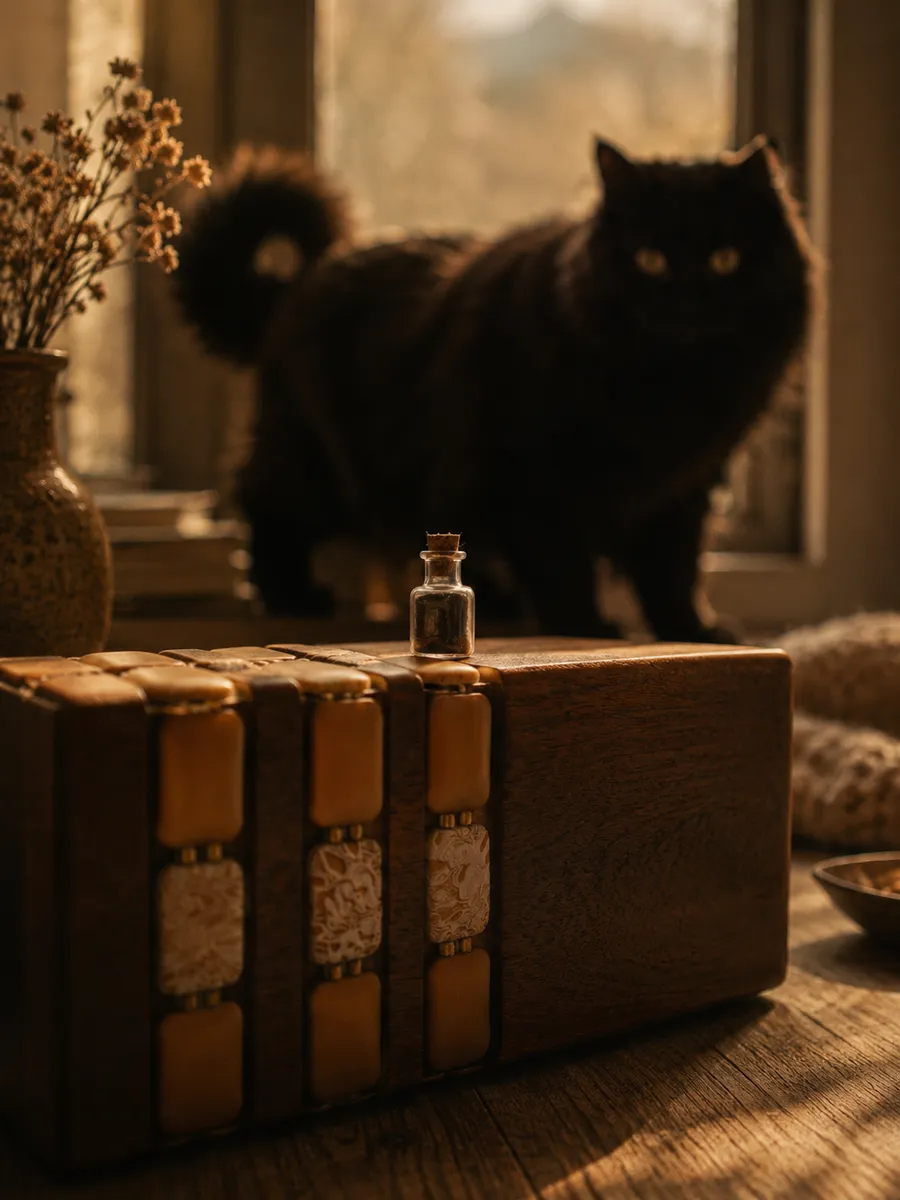
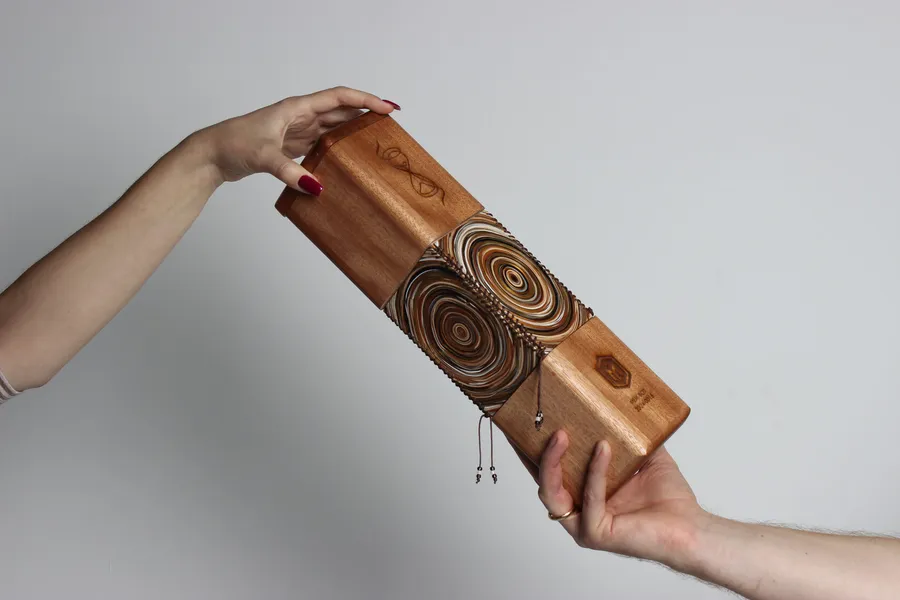
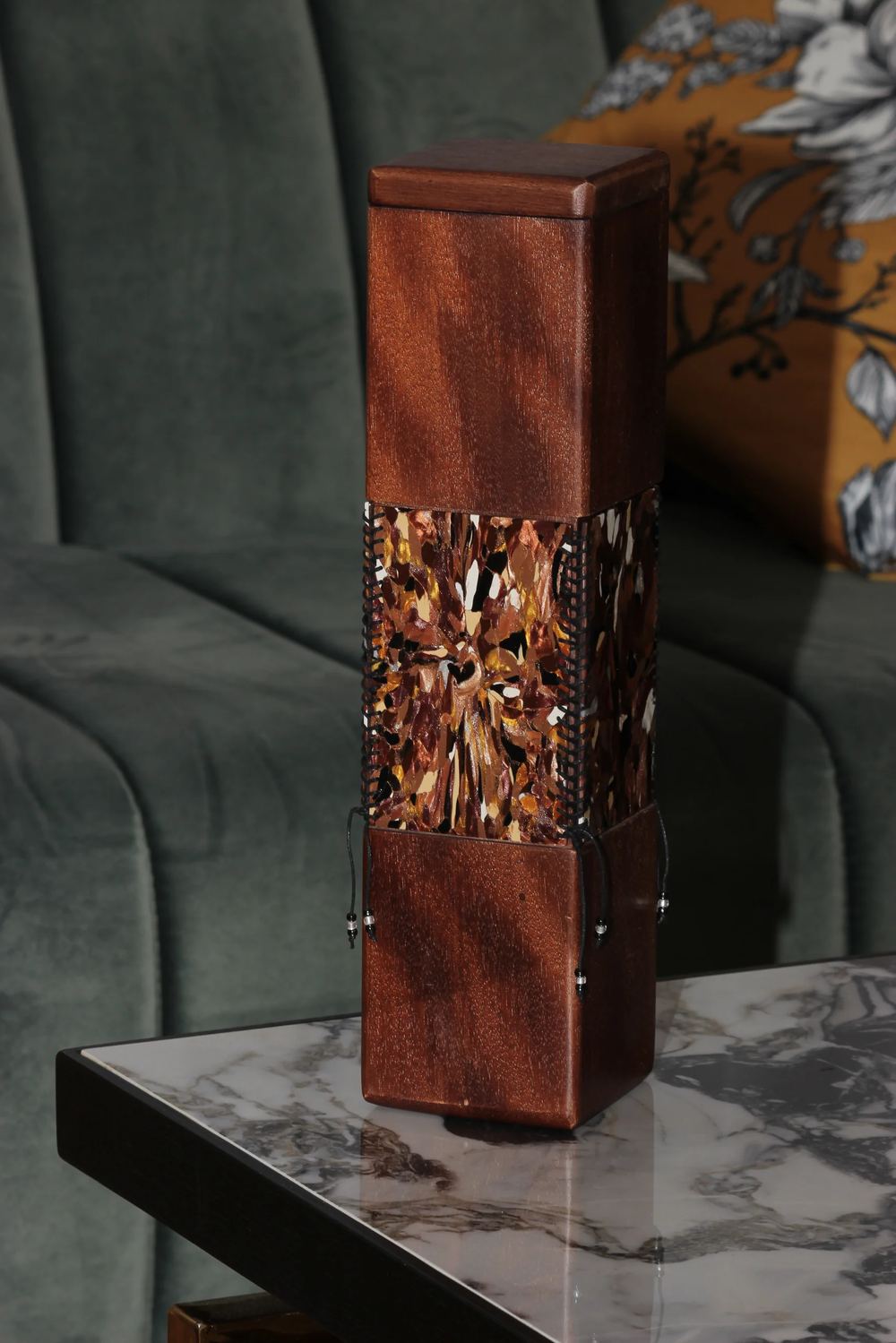
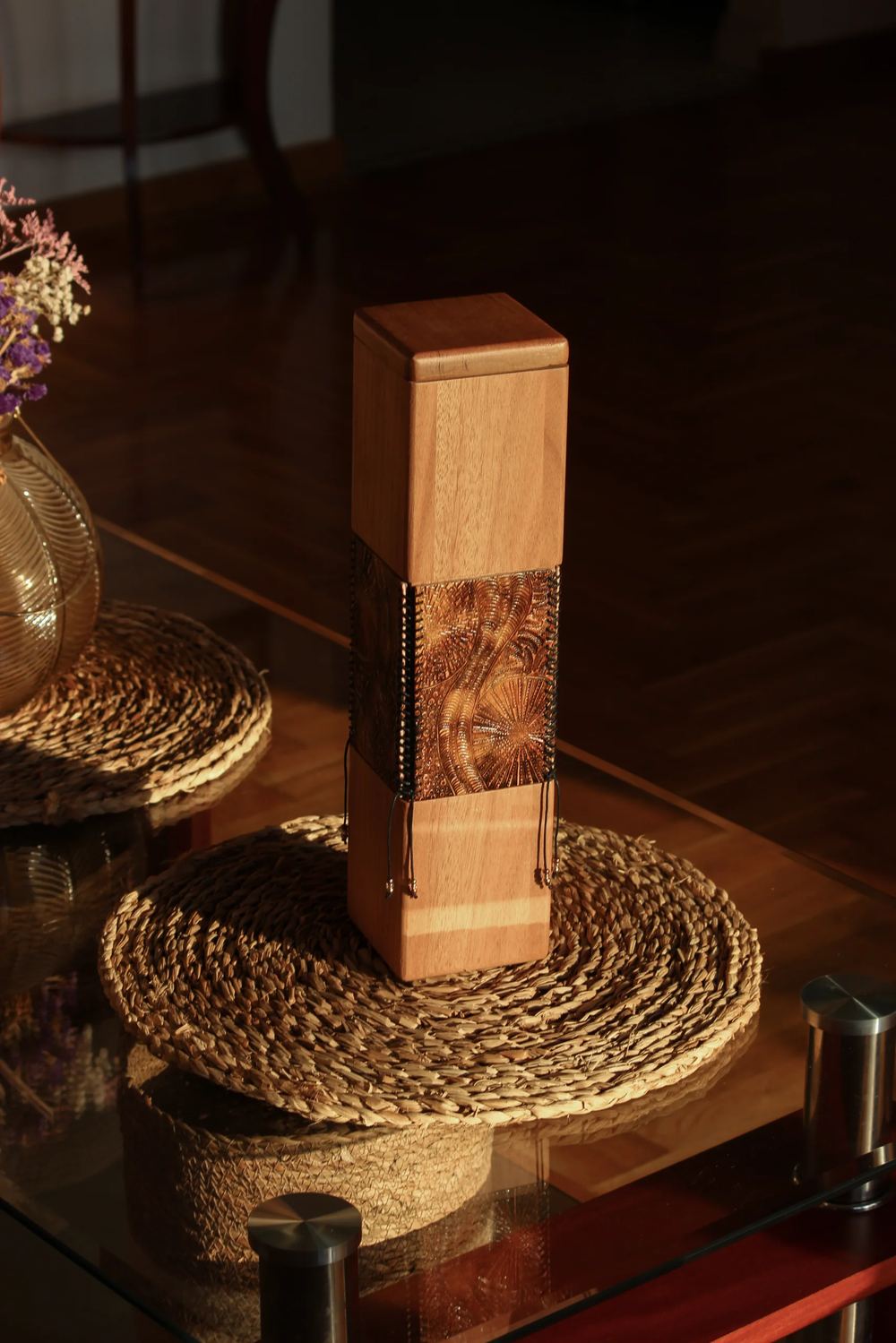
A Memora capsule is not a box for storing things, and not a capsule buried in the ground to be forgotten for decades. It is an authored object with standalone artistic and emotional value — art you live with. It stays close, in your home, and becomes part of it.
Like a painting, a capsule is first an art object; the ways it is used come second. You put inside what holds meaning for you, and in that moment a fleeting instant is given a form you can keep. The project exists within the context of contemporary art and shows in galleries.
Philosophy
Time is the material. A capsule doesn't store things so much as store the distance between now and later — the value is created by the waiting. Buying one is making an appointment with yourself, or with the people you love, on a day in the future, and keeping it.
Digital archives are endless, and therefore weightless. A physical object with a finite volume forces you to choose what matters. Every capsule is made by hand, from the first sketch to the final detail, and each is given a name — because every capsule has its own character, and no two are alike. It is not a jewellery box, not a container, and not a souvenir.
The founder
Memora is the work of Nikita Bokov — a mathematician and systems programmer by training, with many years in IT. But he has always been drawn to what lies beyond algorithms: time, the cosmos, biographies, personal stories.
“I've always been curious about how time works. How we remember, how we lose memories, and how we come back to what truly matters.”
Nikita approves the design, the patterns and the engravings of every capsule before it leaves the workshop. Some he co-authors as well, and those works carry his name.

The brand story
In 2013, Nikita asked himself: how do you preserve the memory of the present? How do you keep the things that matter from simply disappearing? The first idea was ambitious — futuristic obelisks holding messages from thousands of people. Monuments of time. It was beautiful and impractical, but the impulse behind it survives today in the collective capsule.
Years of prototypes followed. Early attempts in metal and 3D printing came out cold and lifeless; the search was for a form that was not only functional but emotional. The first finished capsule was made in 2022. It wasn't perfect, but it was alive, with a character of its own. From there a recognisable Memora form emerged — and with it the rule the project still keeps.